 Skip to main content

Water leaks are one of the most common yet most overlooked issues in Sydney properties. Whether it’s a hidden burst pipe under a bathroom floor, moisture slowly creeping behind a wall, or an underground service line leaking beneath a driveway, leaks rarely announce themselves clearly. Instead, they quietly cause structural damage, waste water, raise utility bills, and create costly problems that catch property owners off guard.
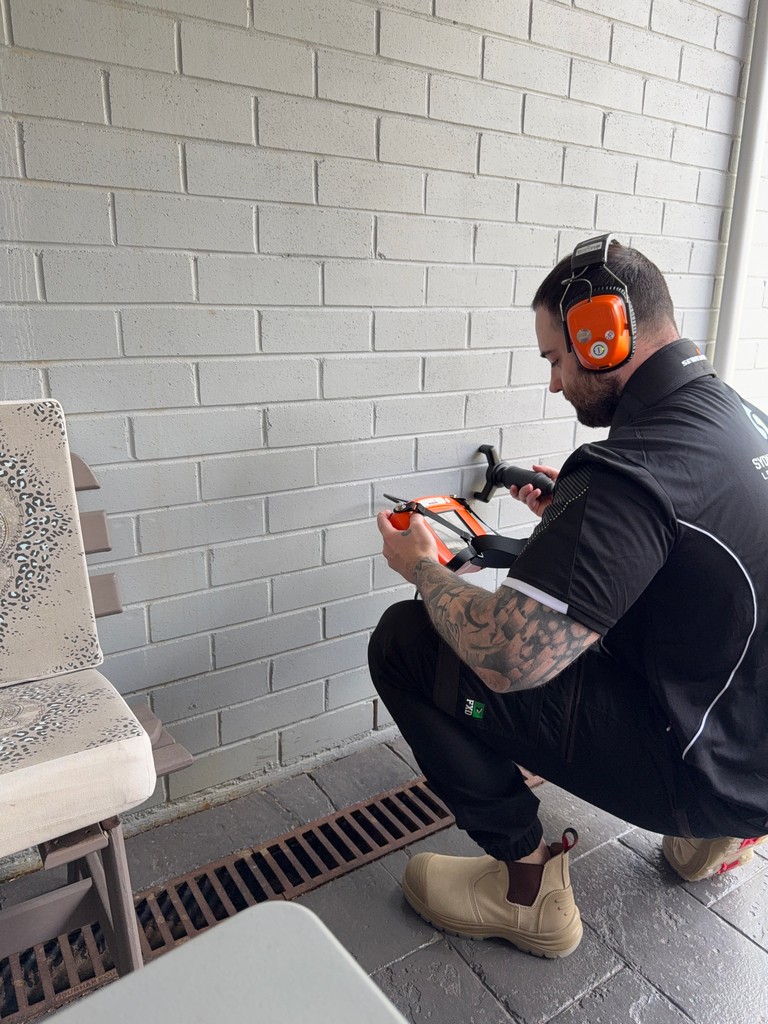
At Sydney Underground, we’ve seen firsthand how quickly a small leak can escalate—and how much money and stress proper early detection can save. Thanks to advances in modern technology, leak detection no longer needs to involve guesswork, tearing up tiles, or cutting into walls unnecessarily. Non-destructive detection allows us to pinpoint the exact location of a leak with exceptional accuracy, saving our customers both time and money.
In this blog, we’ll explore why non-destructive leak detection is so important, the most common signs of hidden leaks, and how our approach protects your home, business, and budget.
Why Non-Destructive Leak Detection Matters
In the past, leak detection was often invasive. If a plumber suspected a pipe behind a wall or beneath a floor was leaking, the next step was usually to start cutting or digging to “see what’s going on.” The results were often messy, disruptive, and expensive—especially if the guess was wrong.
Modern non-destructive leak detection eliminates this problem entirely.
Using advanced tools such as acoustic listening devices, thermal imaging cameras, tracer gas, and moisture meters, we can identify precisely where water is escaping without damaging the surrounding area. This not only speeds up the repair process but dramatically reduces the overall cost.
Instead of paying for multiple trades, demolition, and guesswork, you get clarity and certainty from the start.
Common Signs You May Have a Hidden Leak
Most leaks don’t show themselves directly. Instead, they leave subtle signs that can easily be missed if you don’t know what to look for. Here are some of the most common indicators we encourage homeowners and business owners to watch for:
1. Unexplained increases in your water bill
If your usage hasn’t changed but your bill has jumped, a hidden leak is often the cause.
2. Damp or warm spots on floors or walls
Moisture trapped within building materials often creates temperature variations that can be felt or detected with a thermal camera.
3. Mould, mildew, or musty odors
Moisture behind surfaces provides the perfect environment for mould growth.
4. Cracks in walls or bubbling paint
Water weakens foundations, plaster, and paint, leading to visible structural damage.
5. The sound of running water when taps are off
This is one of the clearest signs of an internal pipe leak.
6. Reduced water pressure
Leaks in supply lines often cause noticeable drops in pressure.
If you notice any of these symptoms, contacting a specialist early can prevent a small issue from turning into a major repair.
How We Detect Leaks Without Damage
At Sydney Underground, we use multiple state-of-the-art technologies to ensure we find leaks accurately and efficiently. Every leak is different, so we tailor our approach to each situation.
Thermal Imaging
Leaks often cause temperature changes in building materials. Our thermal cameras read heat signatures to identify where water is gathering behind surfaces.
Acoustic Leak Detection
Pressurised water escaping from a pipe creates a unique sound. Our acoustic sensors amplify this noise, allowing us to pinpoint its exact location—even through concrete.
Moisture Mapping
Moisture meters help us track how water spreads through floors, walls, and ceilings, revealing the source of the leak.
Tracer Gas
When a leak is especially difficult to locate, we introduce a harmless tracer gas into the pipe system. Sensitive detectors then identify where the gas escapes, revealing the precise leak point.
Pipe & Cable Locating
Before we begin any detection or repair work, we map out underground or hidden services to ensure no damage is caused during the process.
This multi-method approach guarantees accuracy, safety, and minimal disruption.
Why Early Leak Detection Saves You Money
One of the biggest misconceptions property owners have is that a leak will “work itself out” or stay small. Unfortunately, leaks always worsen over time. Even a slow drip can cause thousands of dollars in damage if ignored.
Structural Damage
Water weakens concrete slabs, floorboards, plasterwork, and even foundations.
Mould Growth
Unchecked moisture creates serious health risks and expensive remediation costs.
High Water Bills
A single leaking pipe can waste thousands of litres of water per week.
Costly Repairs
The longer the leak continues, the larger the affected area becomes—leading to bigger, more expensive repairs.
Detecting leaks early prevents unnecessary damage, reduces repair costs, and ensures your property stays safe and structurally sound.
Trusted by Sydney Homes, Businesses, and Civil Projects
We’re proud to assist a wide range of clients across Sydney and surrounding areas—from homeowners dealing with emergency leaks to builders, real estate agents, strata managers, and civil contractors needing precise underground locating and reporting.
Our commitment is simple:
to deliver fast, accurate, non-destructive leak detection and repairs using the best technology available.
Final Thoughts
Leaks are one of the most frustrating and expensive issues a property can face, especially when they’re hidden. But with modern non-destructive leak detection, there’s no need for guesswork or unnecessary demolition. By using advanced equipment and expertise, we can find—and fix—leaks quickly, cleanly, and cost-effectively.
If you suspect a leak, or simply want peace of mind, our team is here to help with friendly service, same-day availability, and professional reporting.


